


“The Famine of 1946–1947. History and Memory in Gagauzia”
Main Information
at the Museum of Occupations and Freedom Fights
30 October 2026, Vilnius
On 30 October 2026, the National Museum of History of Moldova, in cooperation with the Museum of Occupations and Freedom Fights of the Genocide and Resistance Research Centre of Lithuania and the Museum of Avdarma Village History, with the financial support of the Embassy of the Republic of Lithuania to the Republic of Moldova and the Hanns Seidel Foundation – Republic of Moldova, will inaugurate the photo-documentary itinerant exhibition “The Famine of 1946–1947. History and Memory in Gagauzia.”
Dedicated to the commemoration of 80 years since one of the most tragic chapters in the history of the totalitarian-communist regime, the exhibition will open on Friday, 30 October 2026, at 11:00 a.m., at the premises of the Museum of Occupations and Freedom Fights in Vilnius.
The exhibition explores the contexts, causes, and dramatic consequences of the famine of 1946–1947 in the southern region of the Moldavian Soviet Socialist Republic, contributing to a deeper understanding of this calamity within Gagauz communities. The famine was provoked by both natural and, above all, political factors: the severe drought of 1945–1946 devastated harvests and drastically reduced grain production, while the decisive role was played by the repressive economic policies of the Soviet regime, which imposed compulsory deliveries of agricultural products from peasant households to the state. The consequences were catastrophic: approximately 200,000 people lost their lives, representing nearly 10% of the republic’s population. Beginning in the autumn and winter of 1946, daily deaths from dystrophy and exhaustion were recorded in rural and urban localities in southern Moldova. The situation reached alarming proportions: in Vulcănești district, 70 people died in just 15 days in December 1946; in Ceadâr-Lunga district, 15 deaths were recorded in Tomai, 25 in Chiriet-Lunga, 13 in Beșghioz, and 21 in Gaidai. In January 1947, the number of victims increased dramatically: 893 in Vulcănești, 825 in Congaz, 567 in Taraclia, and 770 in Ceadâr-Lunga. An official report from February 1947 noted that in villages with Gagauz populations, up to 30% of inhabitants had perished in January–February, prompting urgent calls for intervention.
The exhibition brings to public attention testimonies, photographs, and documents – many revealed for the first time – from the collections of the National Museum of History of Moldova, the Museum of Avdarma Village History, and the National Archives Agency.
“The Famine of 1946–1947. History and Memory in Gagauzia” is both an act of recovering collective memory and a gesture of symbolic justice dedicated to the victims of the Famine of 1946-1947 in the Moldavian SSR. Their memory has been commemorated in Gagauzia since 2019, on October 19, and beginning in 2022, Moldovan society marks this tragedy on the third Saturday of April.
The Opening event is organized within the project “Strengthening societal resilience through dialogue between young people and academic partnerships for the promotion of democratic values and the culture of a European memory: exchange of best practices between Lithuania and Moldova”, with the support of the Embassy of the Republic of Lithuania to the Republic of Moldova and the Hanns Seidel Foundation – Republic of Moldova.
Presents:
- Dr. Arūnas Bubnys, Genocide and Resistance Research Centre of Lithuania
- Ramunė Driaučiūnaitė, Museum of Occupations and Freedom Fights
- Dr. Virgiliu Bîrlădeanu, Institute of History, Moldova State University
- Dr. Ludmila Cojocaru, National Museum of History of Moldova
Organizers & Partners:
- Embassy of the Republic of Lithuania to the Republic of Moldova
- Hanns Seidel Foundation – Republic of Moldova
- Museum of Occupations and Freedom Fights of the Genocide and Resistance Research Centre of Lithuania
- National Museum of History of Moldova
- Museum of Avdarma Village History
- Institute Pro Memoria
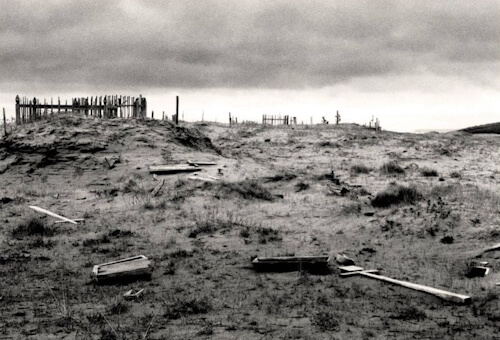
Fragments of the Exhibition
Other Exhibitions
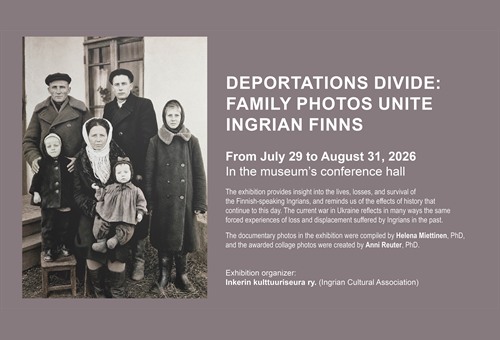 Exhibition
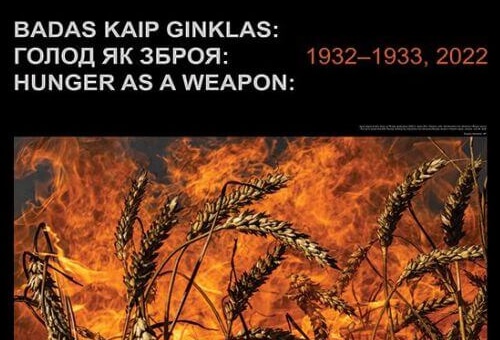 Exhibition
 Exhibition
 Exhibition
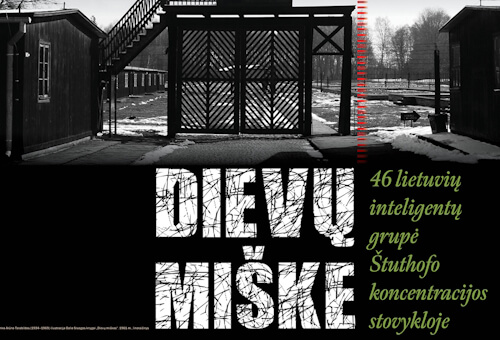 Exhibition
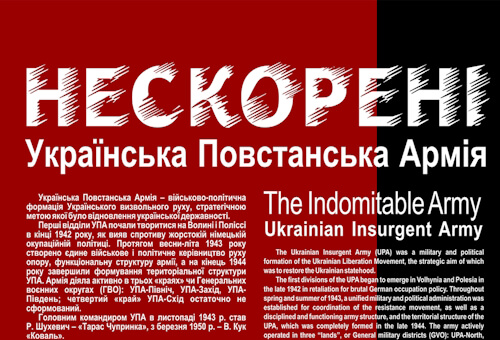 Exhibition
 Exhibition
 Exhibition
 Exhibition
 Exhibition
 Exhibition
 Exhibition